Some practices are memorable because they are modest: a simple tool, used at an ordinary moment, with cleanliness in mind. The siwak is one example often discussed in connection with the Prophet Muhammad, peace and blessings be upon him. Its place in prophetic teaching invites reflection without requiring us to make claims it was never meant to carry.
A teaching on the siwak
A narration in Sahih al-Bukhari and Sahih Muslim reports the Prophet saying that, were it not for the hardship it might cause his community, he would have commanded them to use the siwak before every prayer. The narration speaks to the value placed on oral cleanliness. It does not make the siwak a medical cure or say that every person must use it.
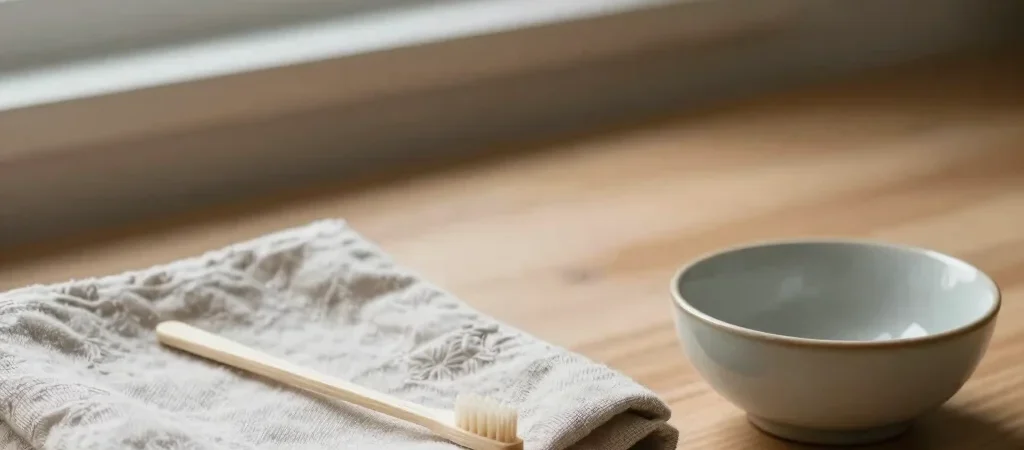
Siwak is commonly made from the Salvadora persica tree, though the term can also refer to a natural tooth-cleaning stick more broadly. If you choose to try one, use a product from a reputable source and follow its care instructions. Comfort, access, and individual dental needs are worth taking into account.
Keep the practice grounded
Natural materials are not automatically right for every person or every situation. The siwak can be one part of a hygiene routine, rather than a reason to set aside other care that works for you. If you have persistent oral concerns, a dental professional is better placed to advise you.
The more useful reflection may be the attention behind the practice: cleanliness woven into the rhythm of the day. Begin by learning the narration and considering what an unhurried, consistent act of care looks like in your own routine. Let the teaching remain meaningful without promising more than it says.