At the end of a meal, a bowl of untouched food can prompt a useful question: did we serve more than we needed? The Qur’an links eating and drinking with a clear caution against excess. That guidance offers a simple point of reflection for everyday meals, without turning food into a complicated test of virtue.
The measure in the verse
In Qur’an 7:31, the instruction is to eat and drink, but not be excessive. The verse does not prescribe a modern diet or label particular foods as spiritually superior. It does invite attention to measure—something that can shape how we shop, cook, serve, and use what remains.
A practical place to begin is the serving spoon. Offer a smaller first portion, then take more if you are still hungry, rather than filling a plate by habit. For a meal shared with family or guests, this keeps the table welcoming while making it easier to notice what is actually being eaten.
Let food be used well
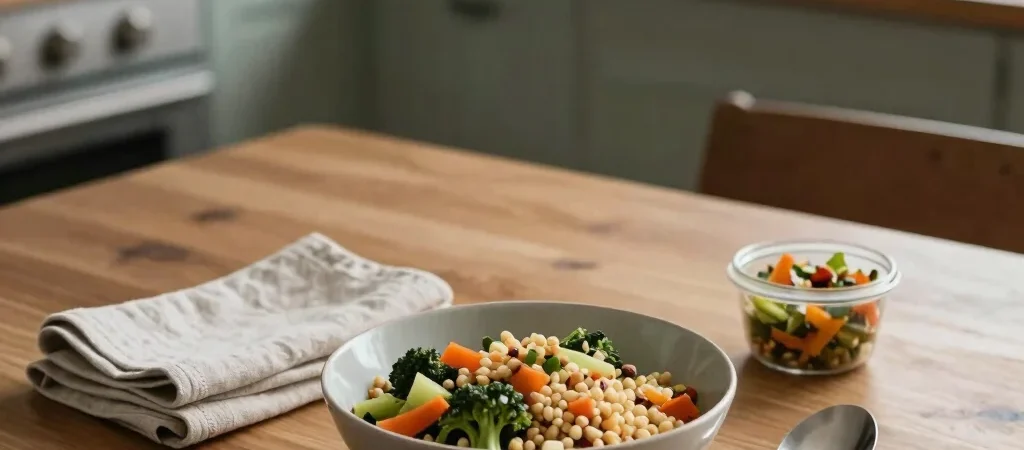
Planning helps, but real kitchens are not perfectly predictable. Store leftovers safely and label them so they are easy to find; turn cooked vegetables into soup or add them to a grain bowl the next day. These are ordinary household choices, not a claim that one routine suits every home.
For your next meal, try serving a modest first portion and saving any extra food promptly. Notice whether that changes what gets eaten and what gets left behind. A thoughtful measure at the table can make gratitude tangible without making eating feel burdened.