
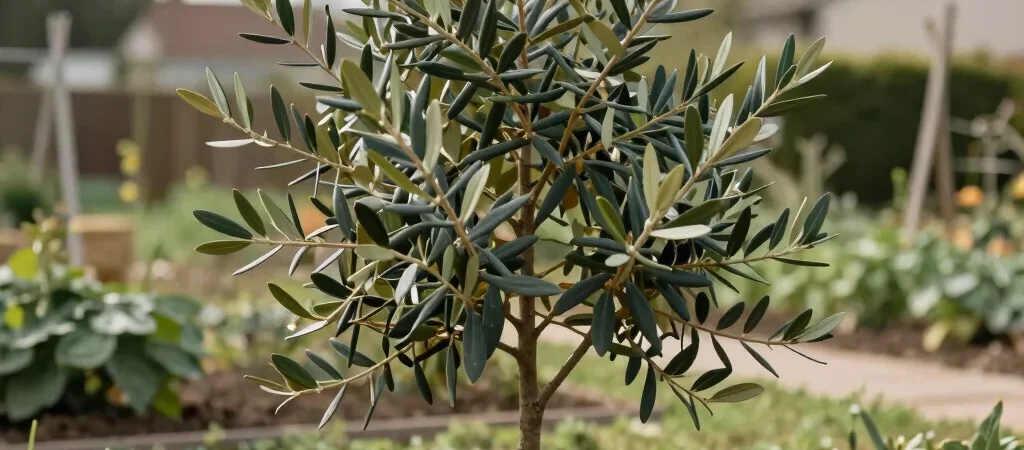
A tree planted today may offer shade, fruit, or shelter long after the person who planted it has moved on. That quiet, outward-looking quality is part of what makes planting feel at home in a faith-grounded approach to natural living. It asks us to care for what we may not personally get to enjoy.
A generous act in growth
The Prophet Muhammad, peace and blessings be upon him, taught that when a Muslim plants or sows something and a person, bird, or animal eats from it, it is counted as charity for them. This teaching is reported in Sahih al-Bukhari and Sahih Muslim. It gives an everyday act—putting something into the soil—a meaning that reaches beyond the garden.
The lesson is not that every planting project must be large or productive. A pot of herbs on a windowsill, a fruit tree in a yard, or a small patch of flowers that draws pollinators can each make room for life. Start with a plant suited to your light, climate, and ability to care for it.
Begin with the place
Before choosing seeds, notice what the space already offers: hours of sun, the path of rainwater, and whether the soil stays damp or dries quickly. Native plants are often a practical starting point because they are adapted to local conditions, though the best choice depends on your region. A small, well-tended planting is kinder to the place than an ambitious garden left to struggle.
Choose one useful next step: plant a suitable herb, tend a tree already in your care, or ask a neighbor what grows well nearby. Then make time to water and observe it. The planting matters; so does the steady care that lets it take root.